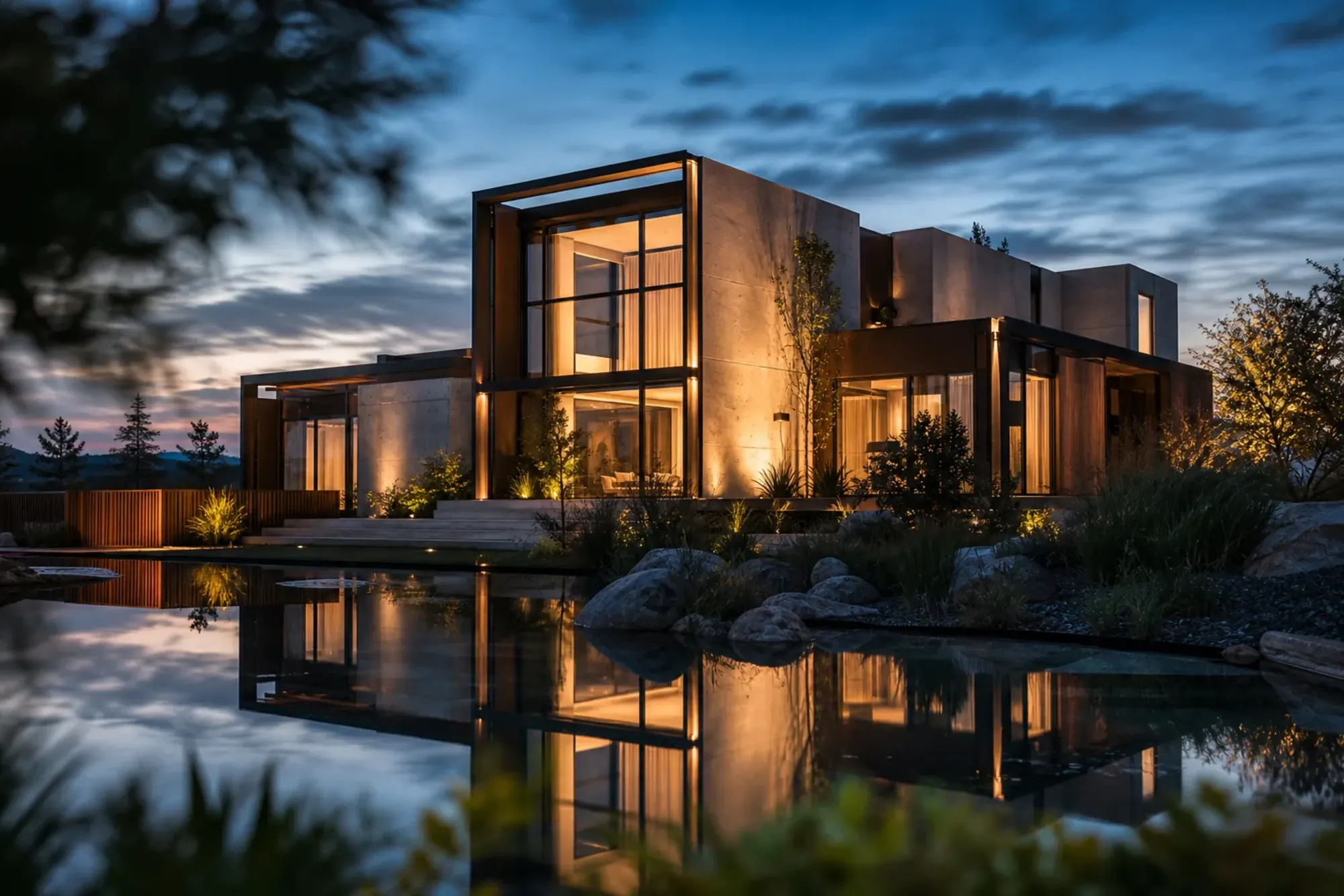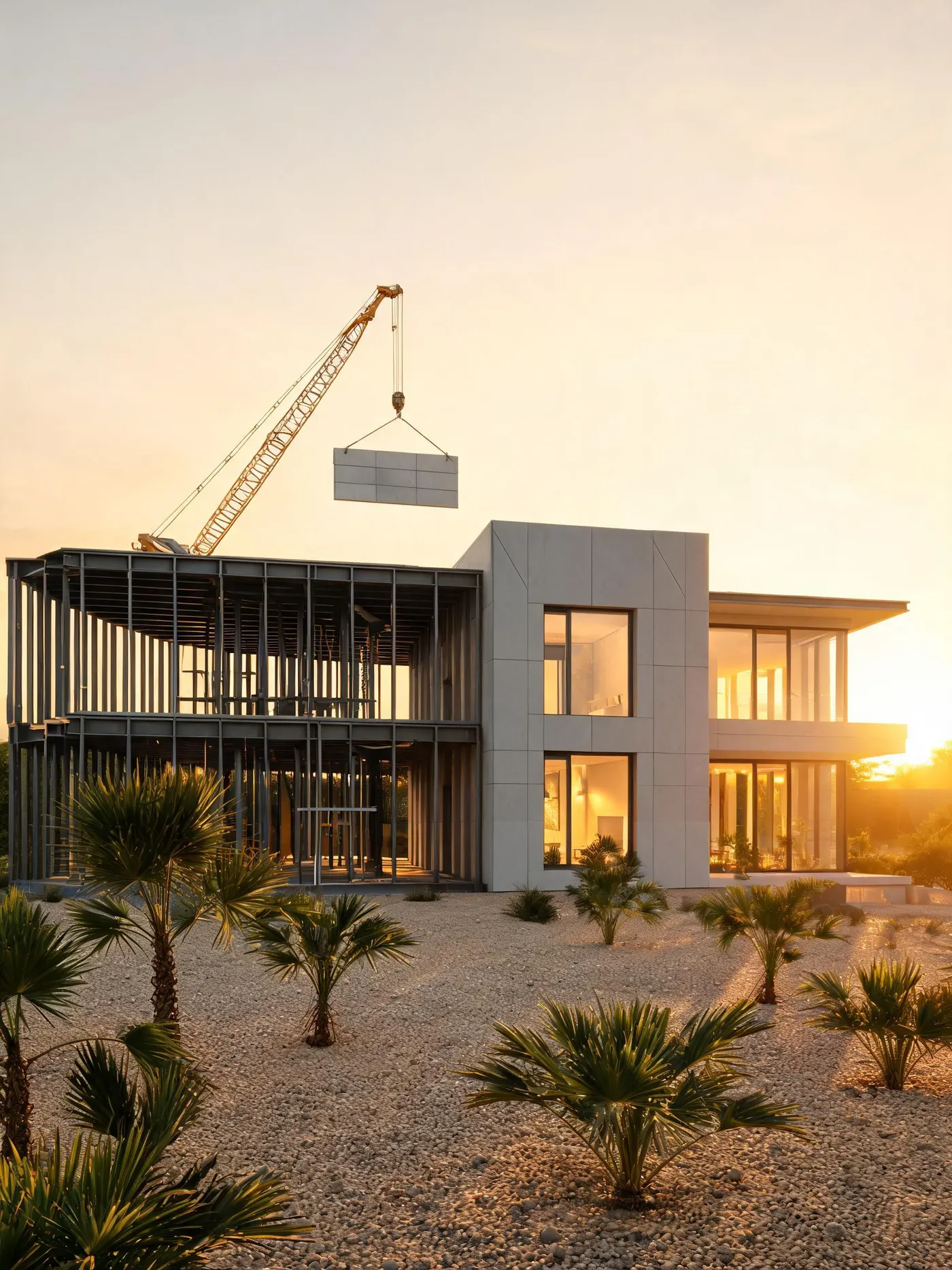
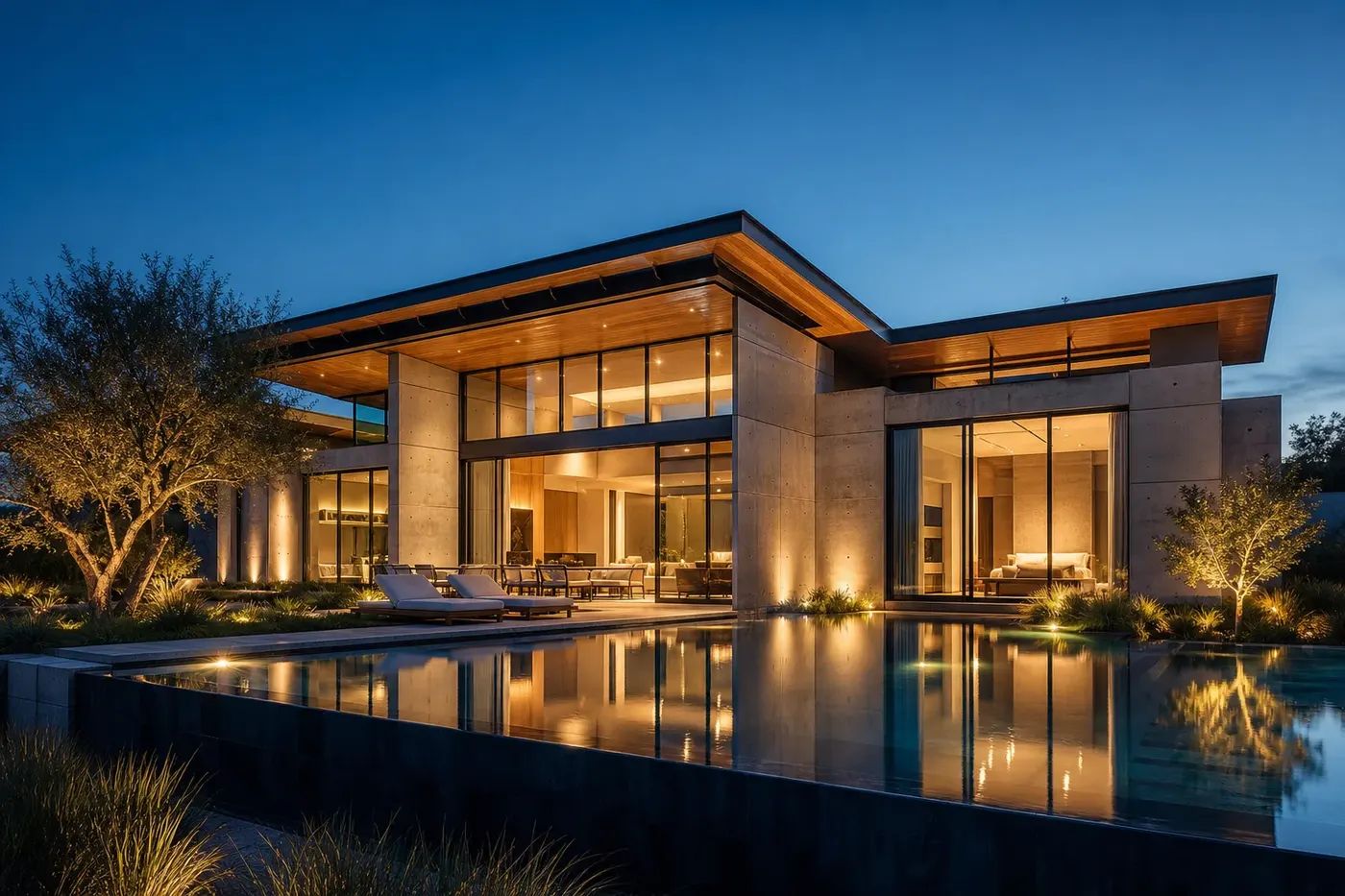
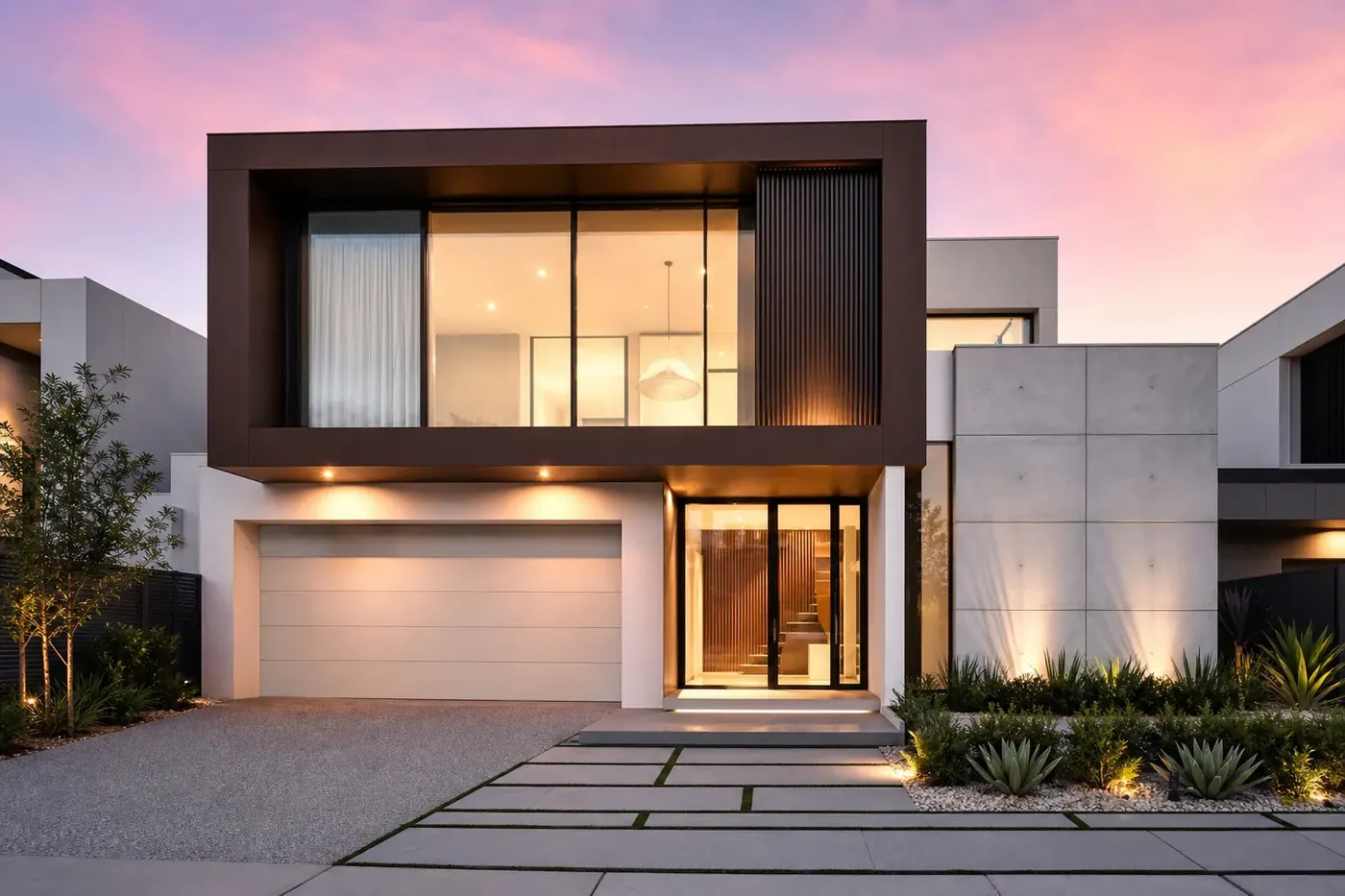
Four things we build
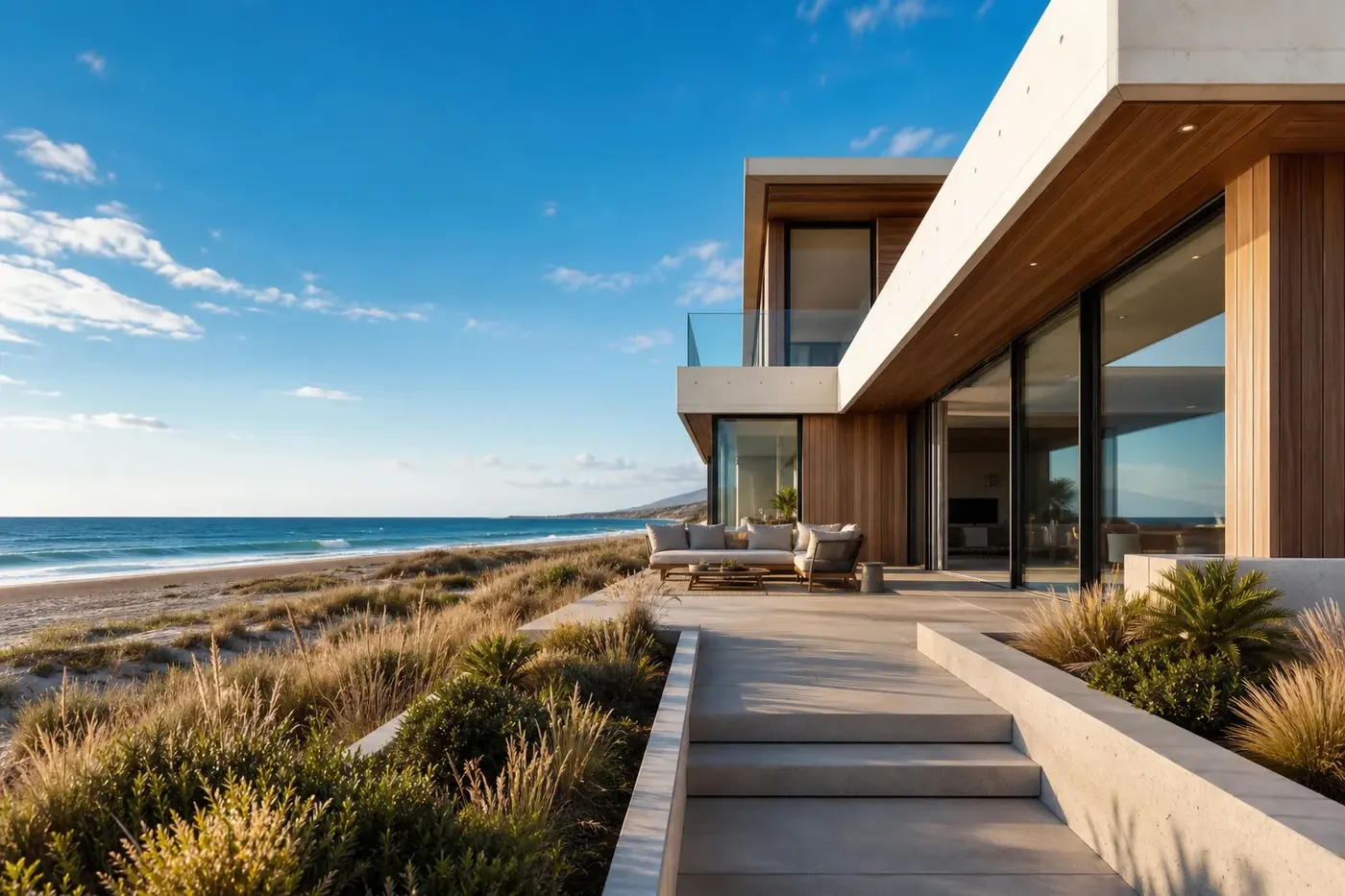
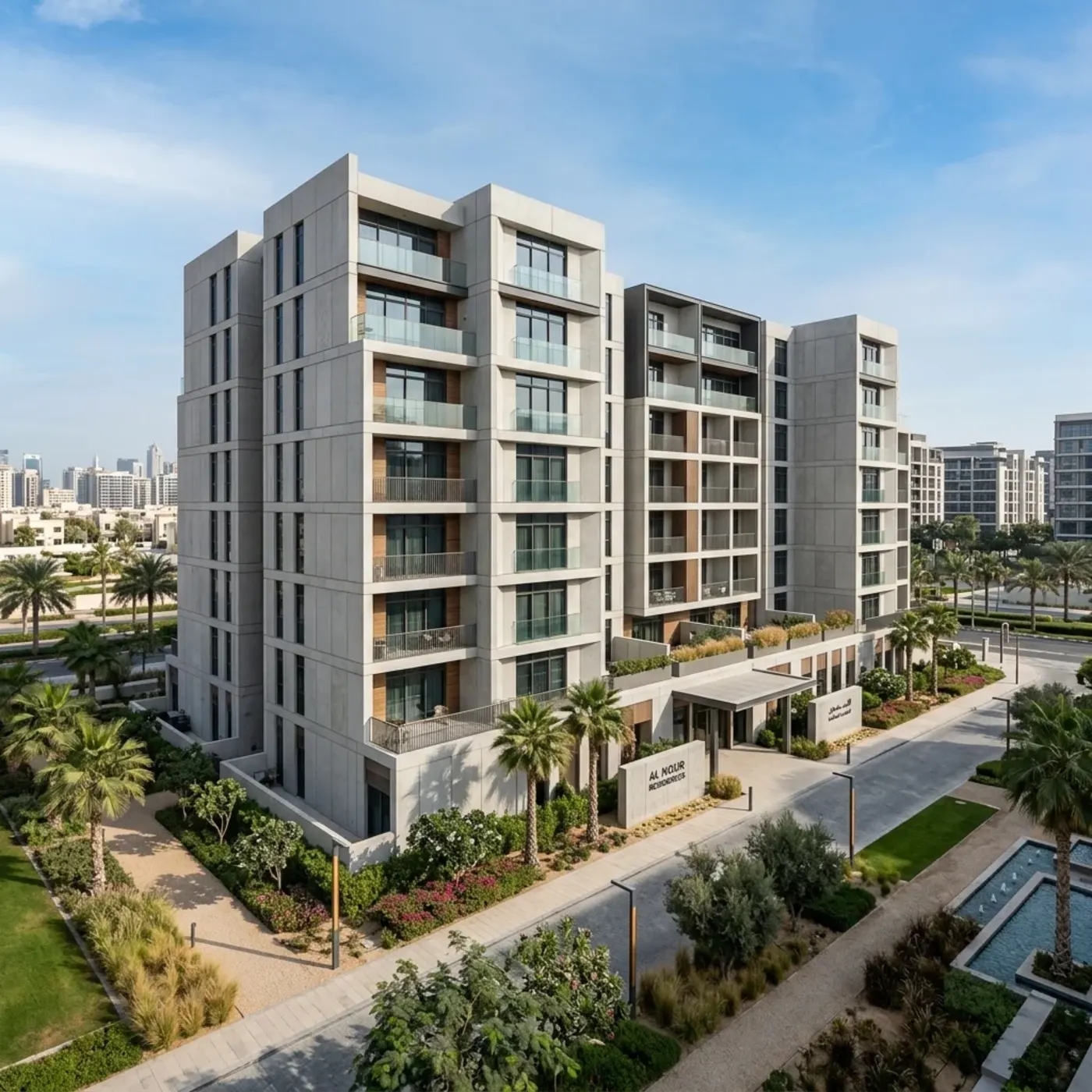
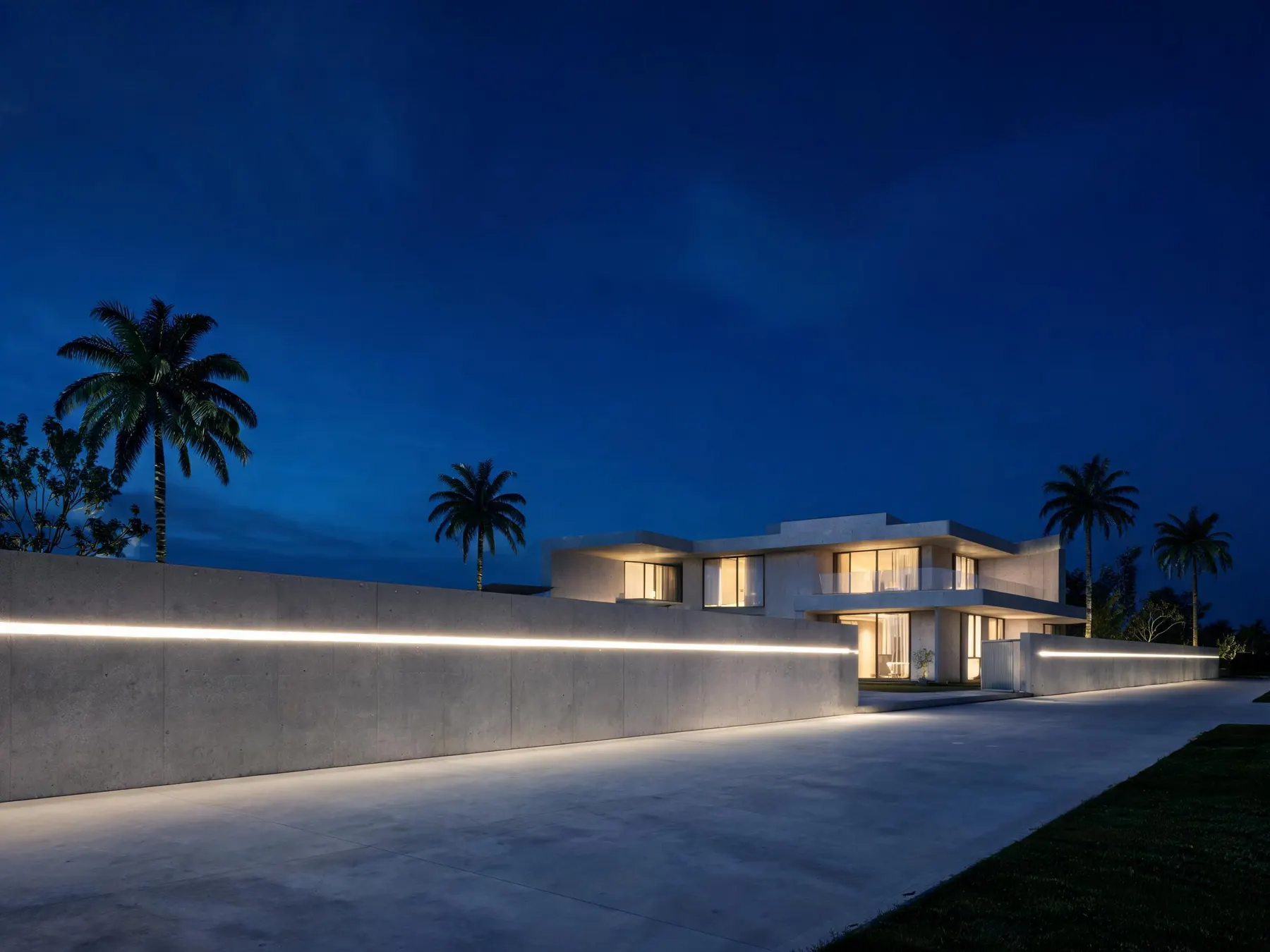
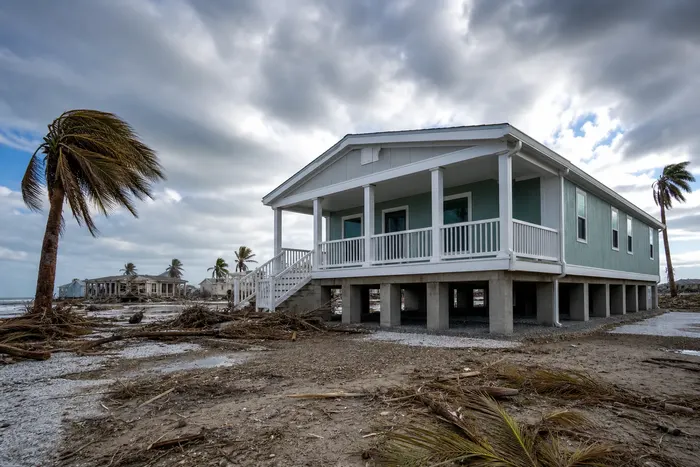
Inland homes stand on a slim steel frame. By the sea we leave the steel out, because salt air rusts it, and the concrete walls carry the house on their own.
How a wall becomes a house
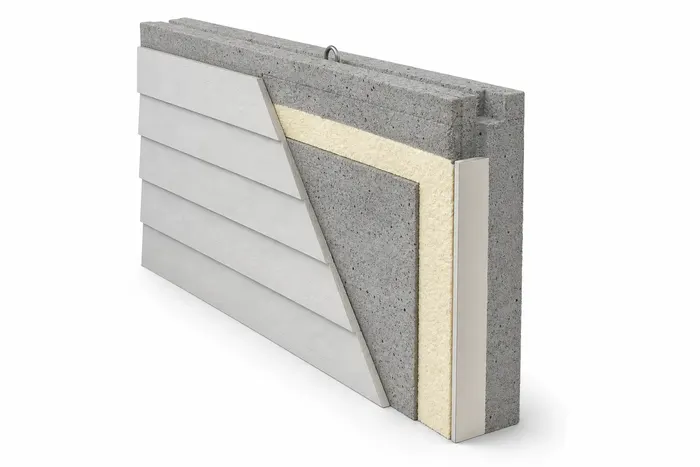
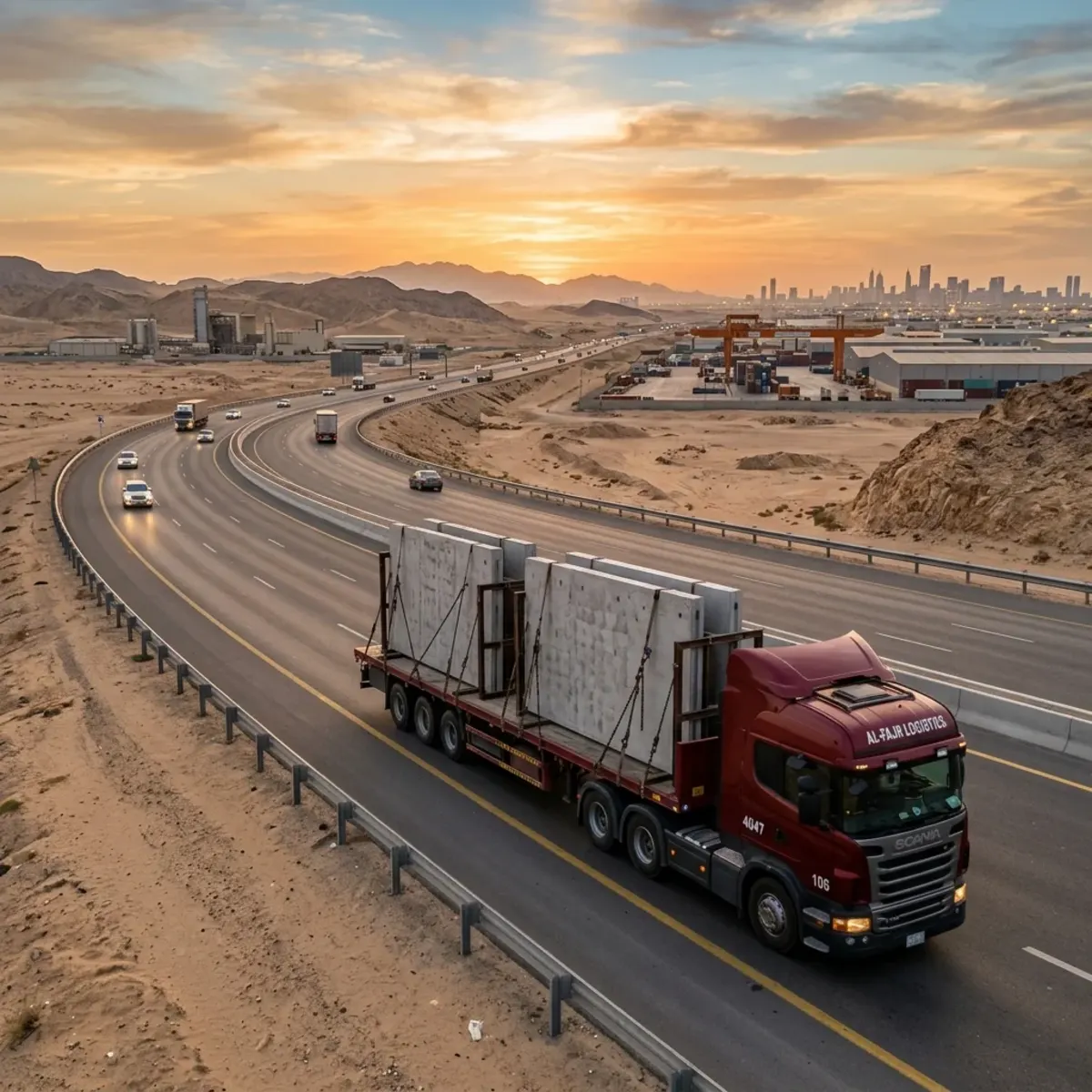
In the factory. Each wall is cast flat on a steel platform and cured before it travels. Window openings and channels for pipes and wiring are already in it.
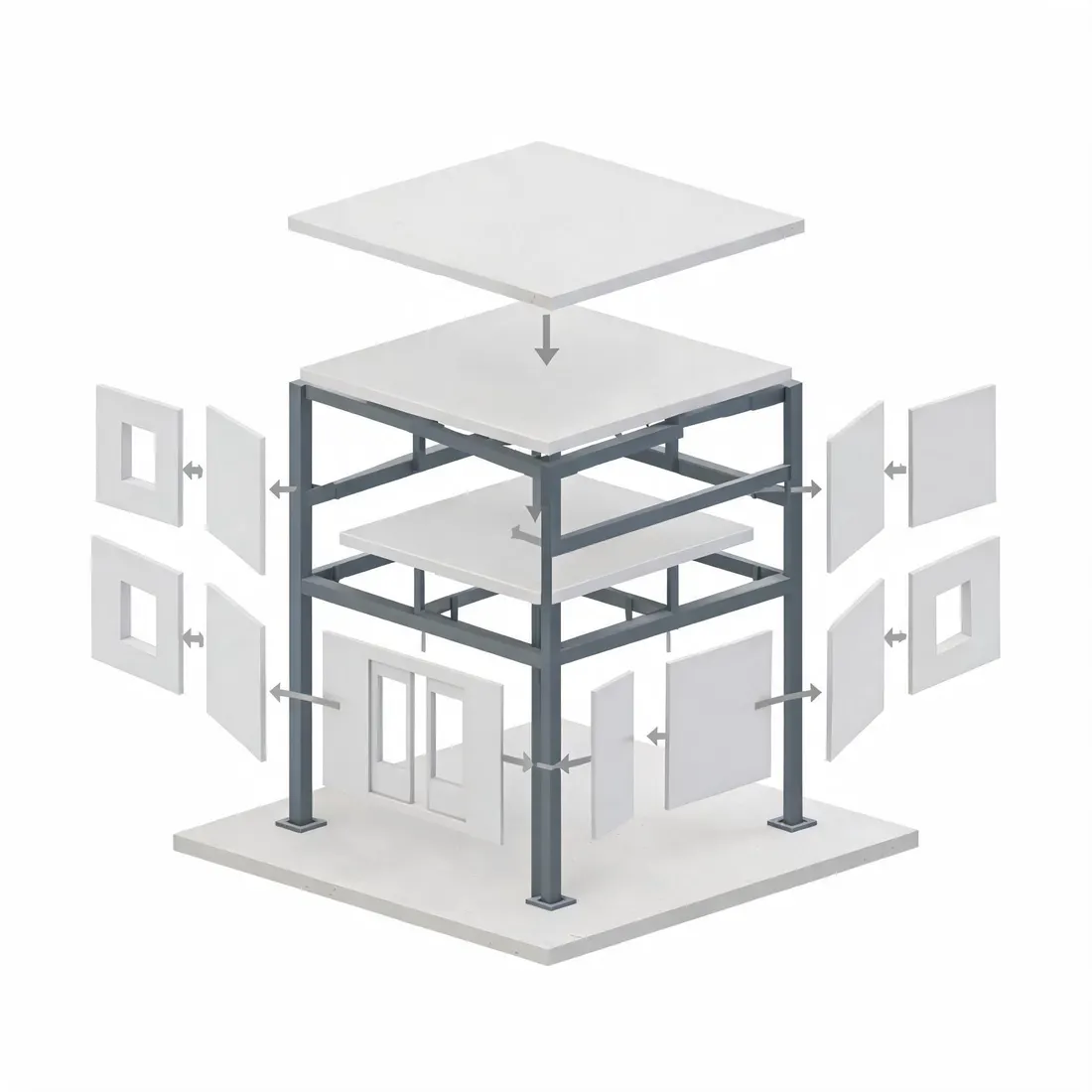
On site. A slim steel frame goes up on the foundation in days. The finished walls hang straight onto it, so nothing waits weeks for concrete to harden on site.
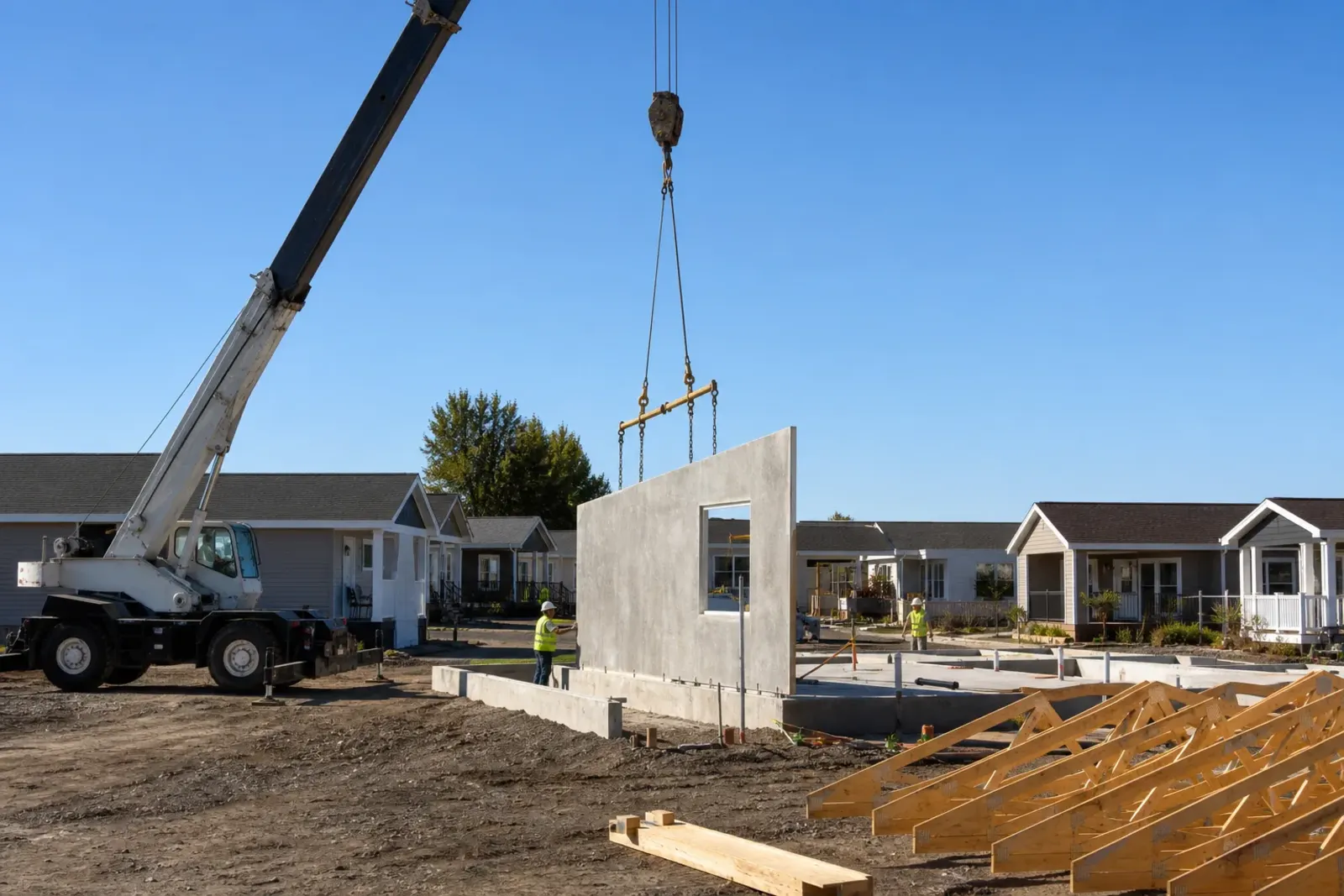
By the end. The frame is closed inside the walls and never seen. What stands there is a concrete house you can paint any colour, built to last generations.
Sixty days, step by step
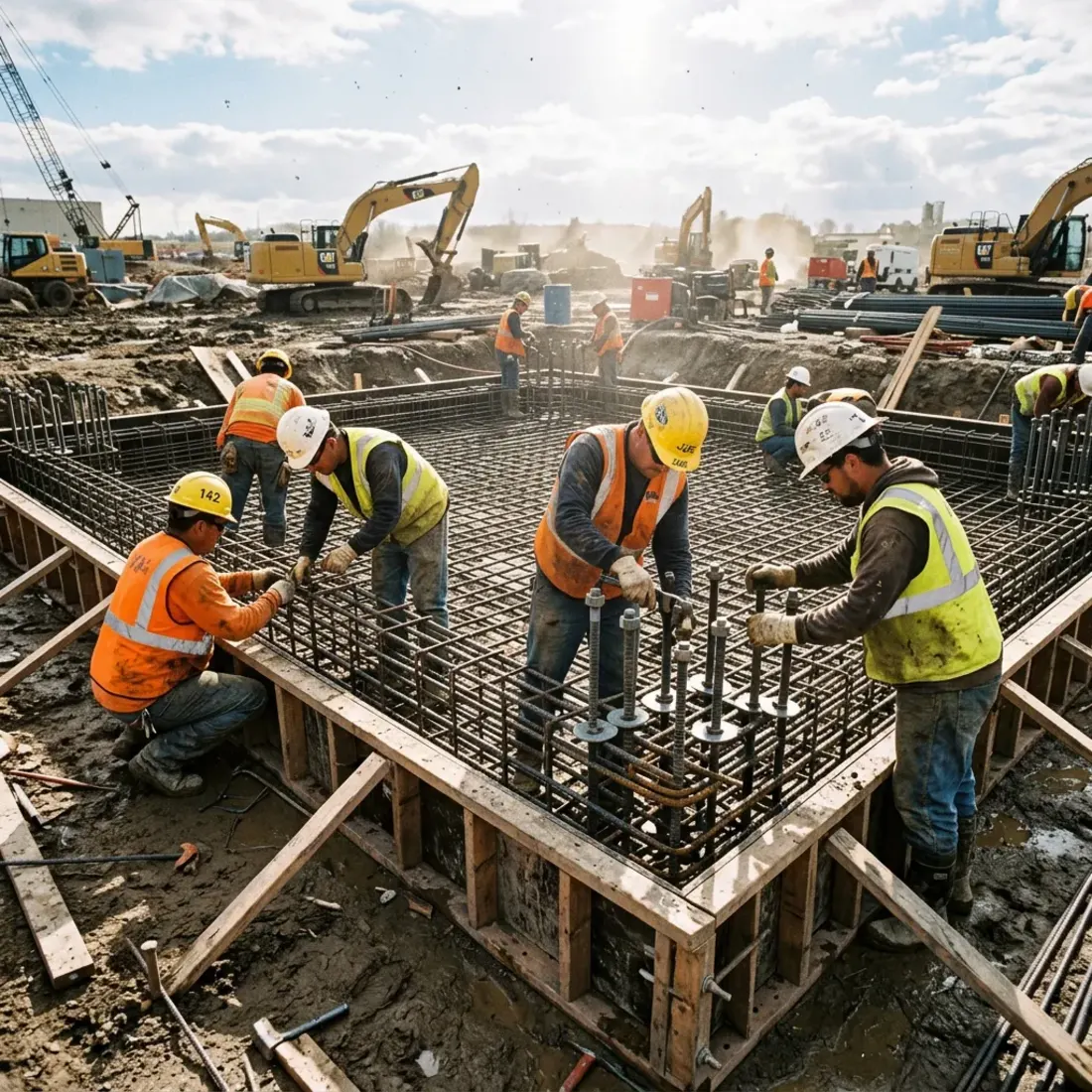
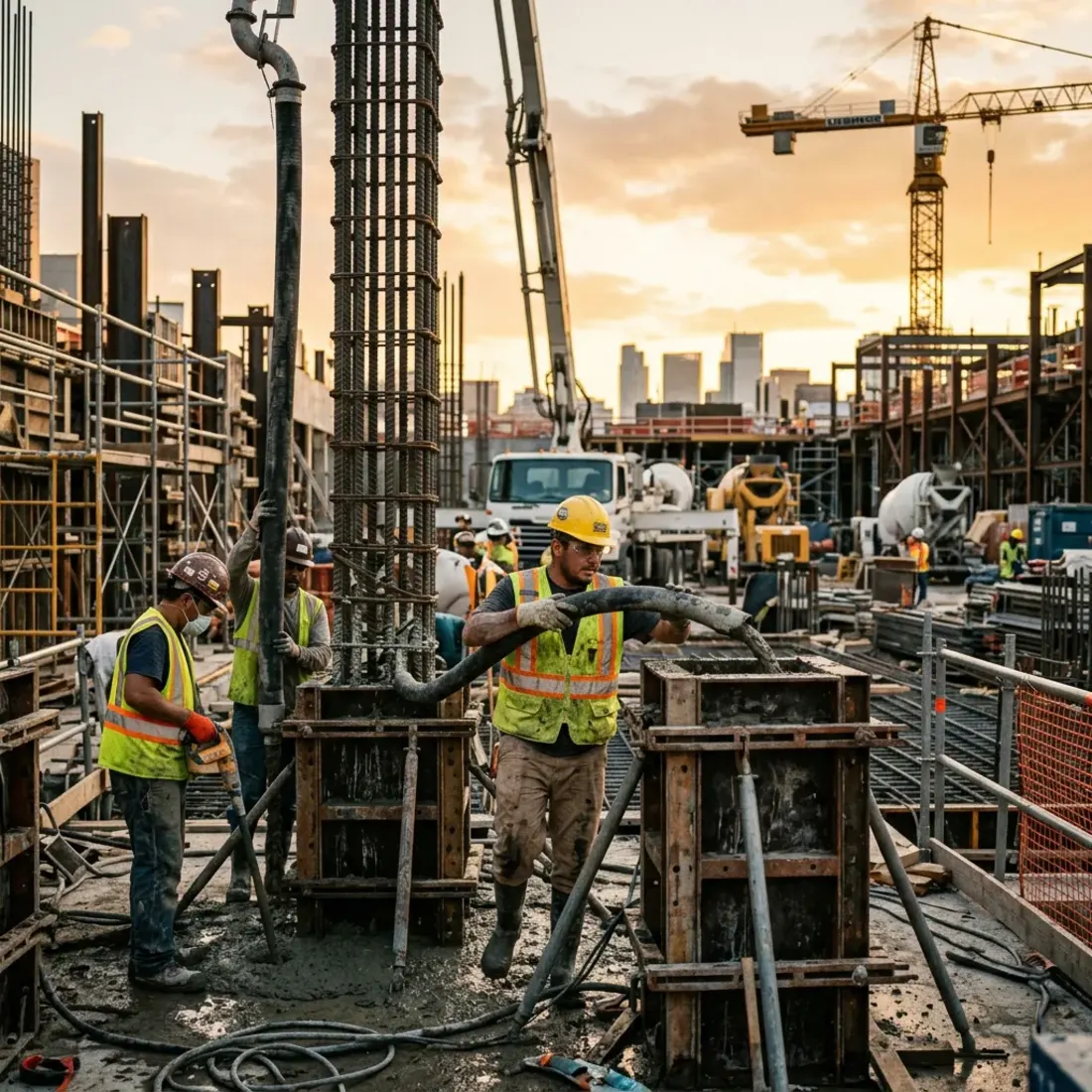
The slab is poured while the walls are being cast in the factory, so the two jobs run at the same time.
Columns and beams bolt onto the foundation. For a coastal villa this step is left out.
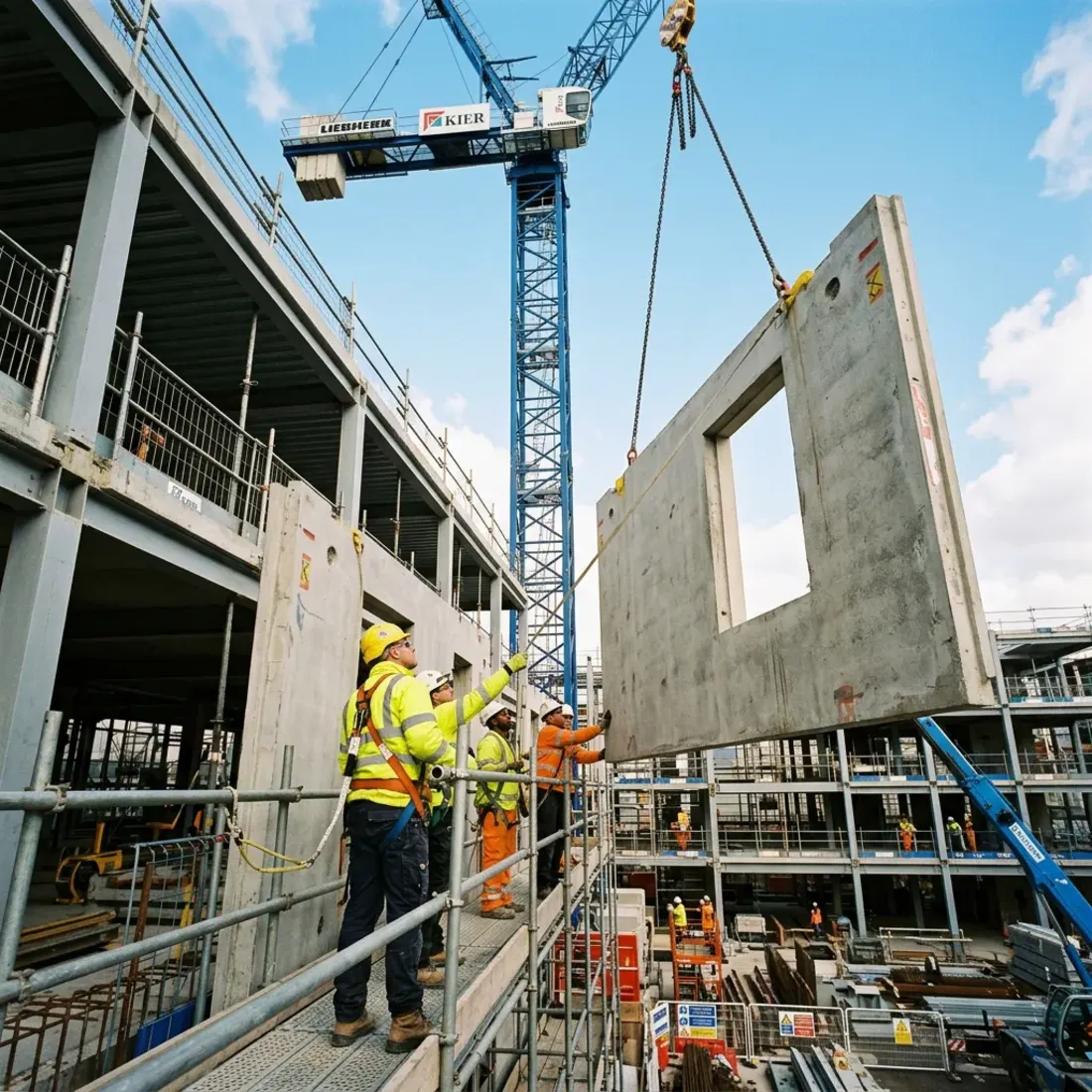
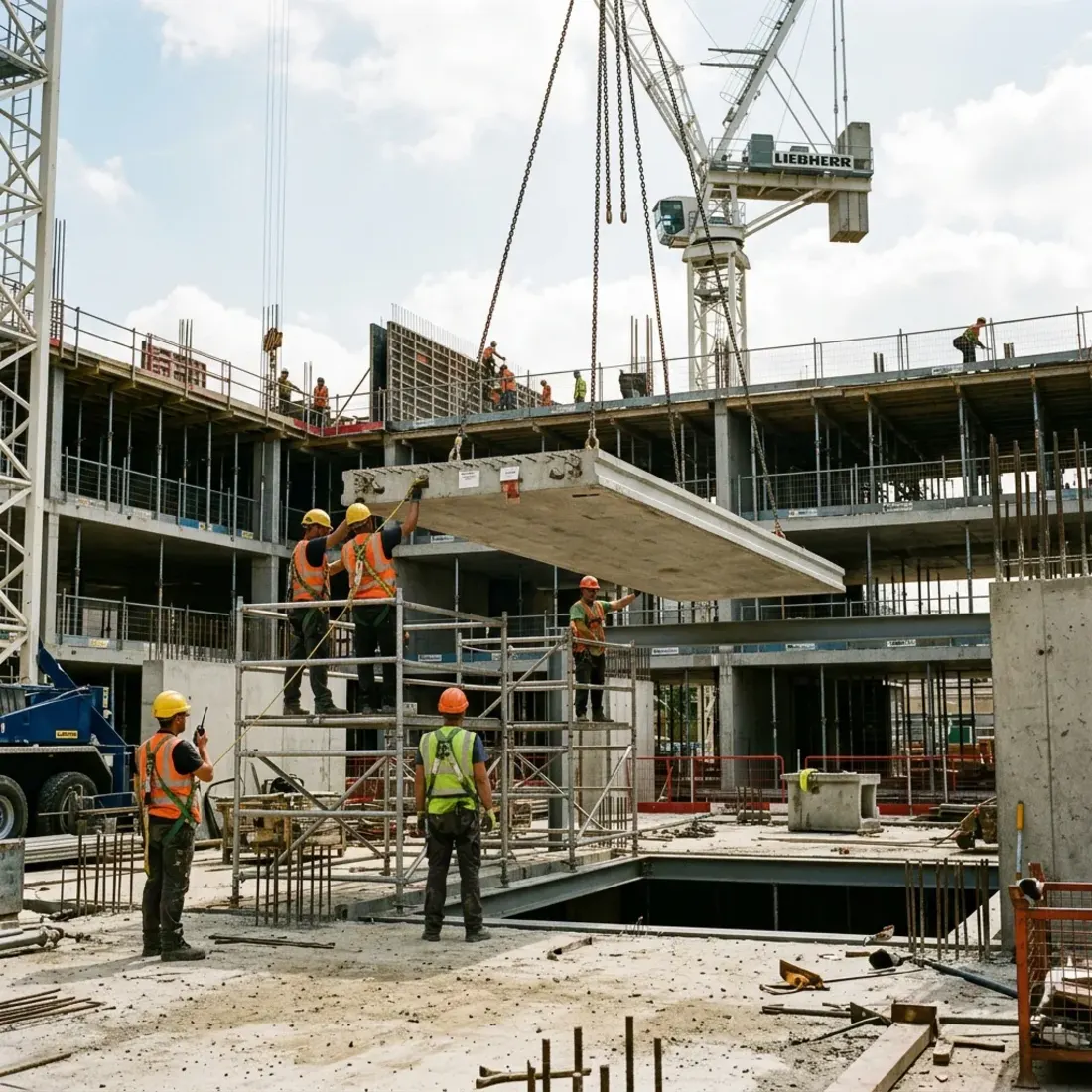
The crane sets each finished wall onto the frame. A small crew closes in a whole floor in a few days.
Precast slabs go across the frame for the upper floor and the roof, then the roof is sealed.
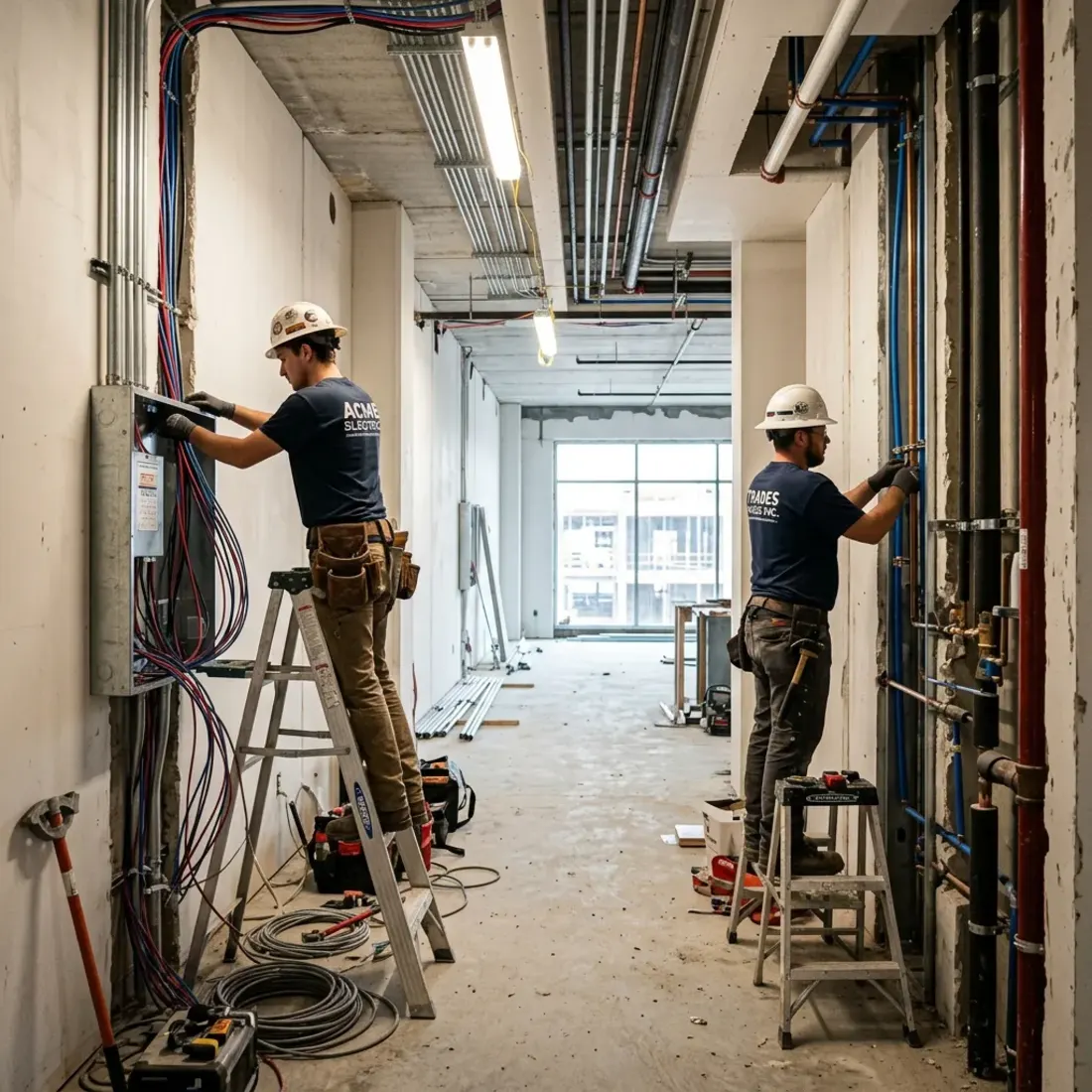
Services run through channels already cast in the walls, with pipes kept inside the warm envelope.
Floors, kitchen, bathrooms and paint. A simple finish takes about a month, then you move in.
Planning figures for a two-storey villa. Every model in the catalog lists its own.
What the walls do for you
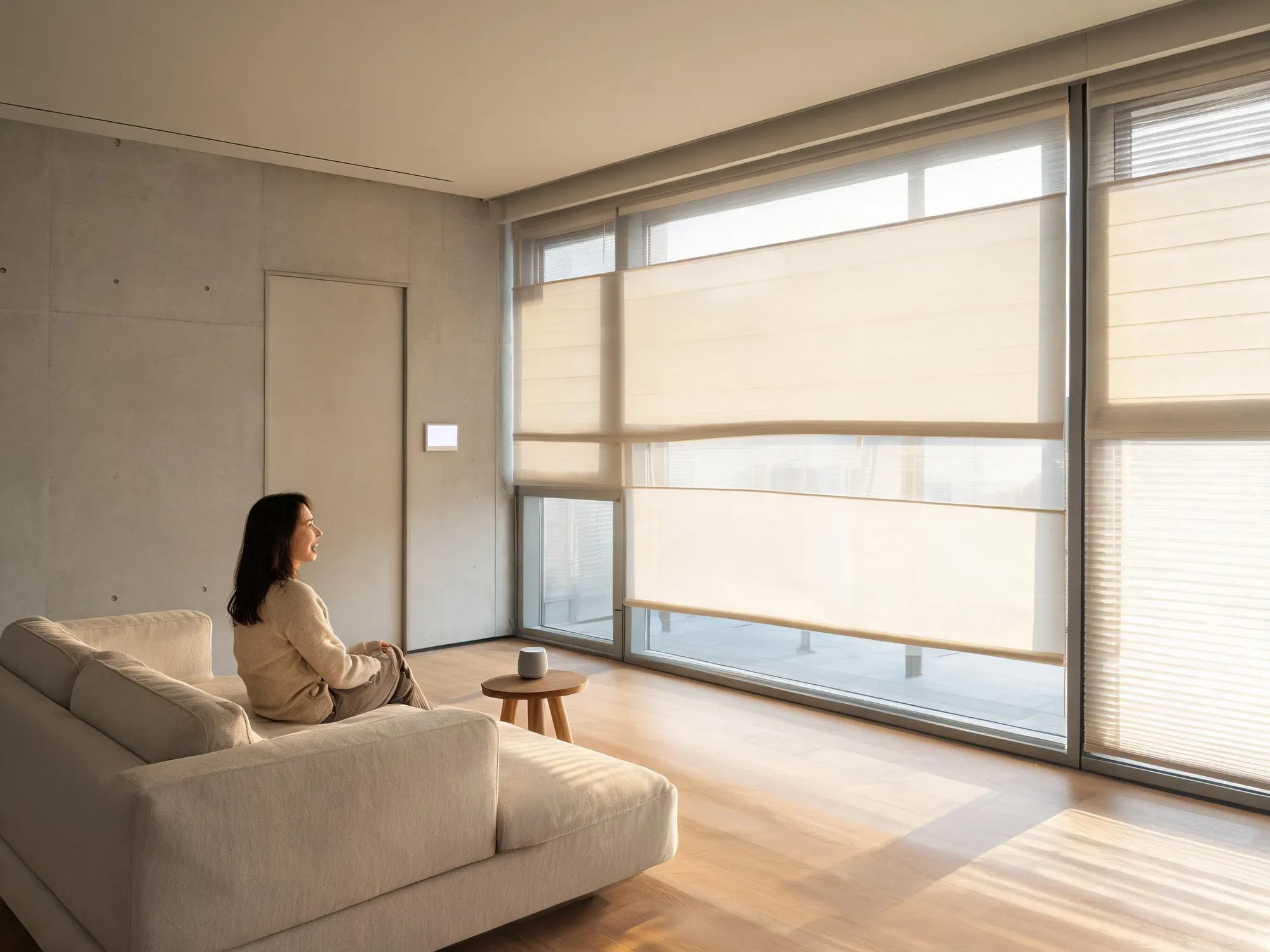
Blinds that answer to your voice
Light built into the wall
No frozen pipes in the ceiling
Stands up to hurricane wind
Concrete, not lumber
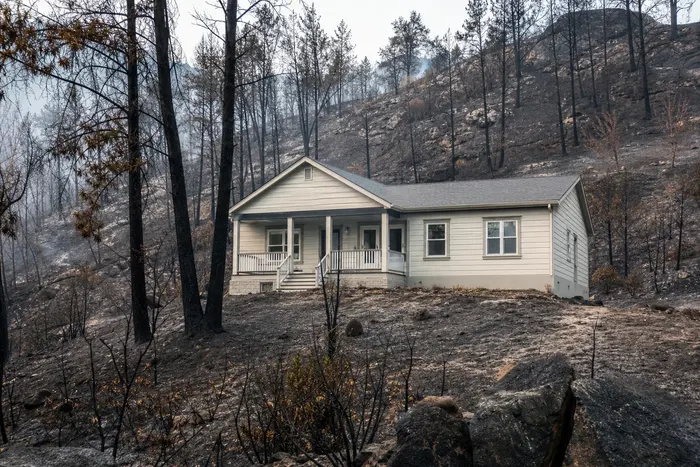
A concrete house that feels like home
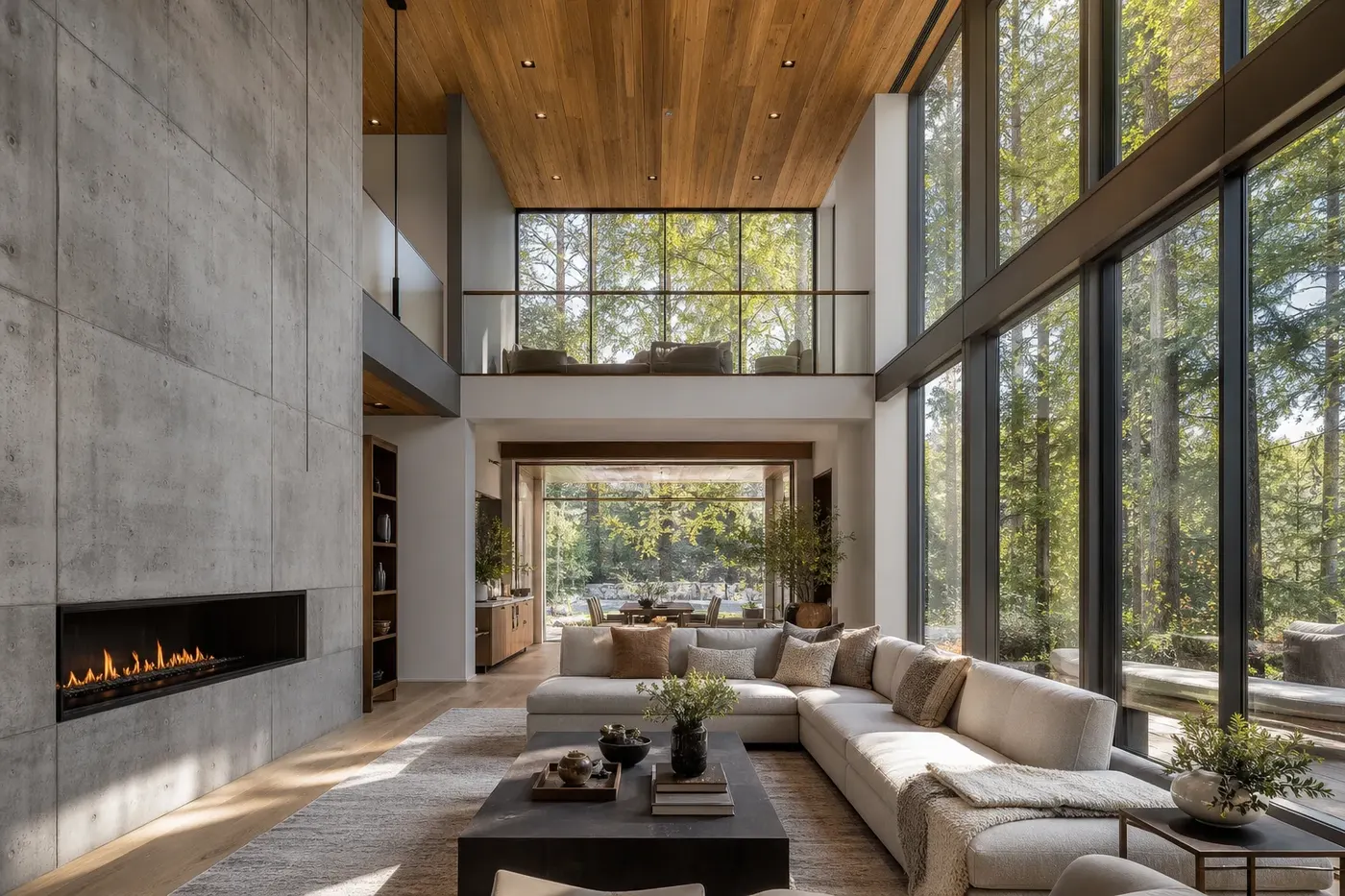
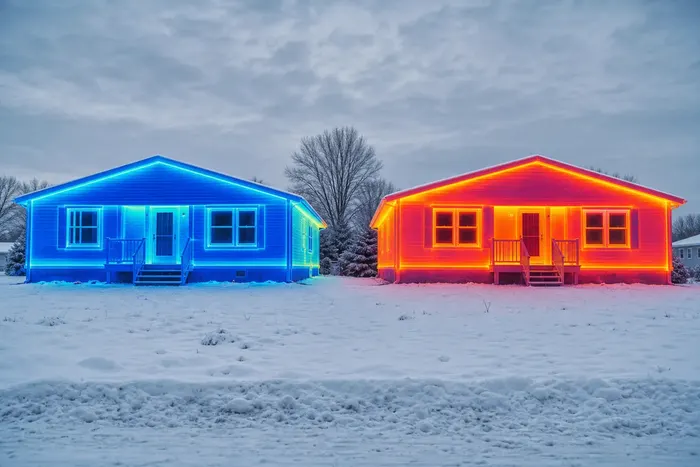
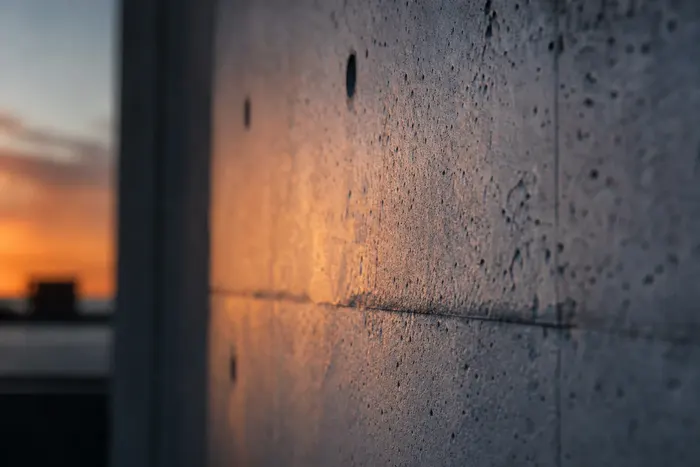
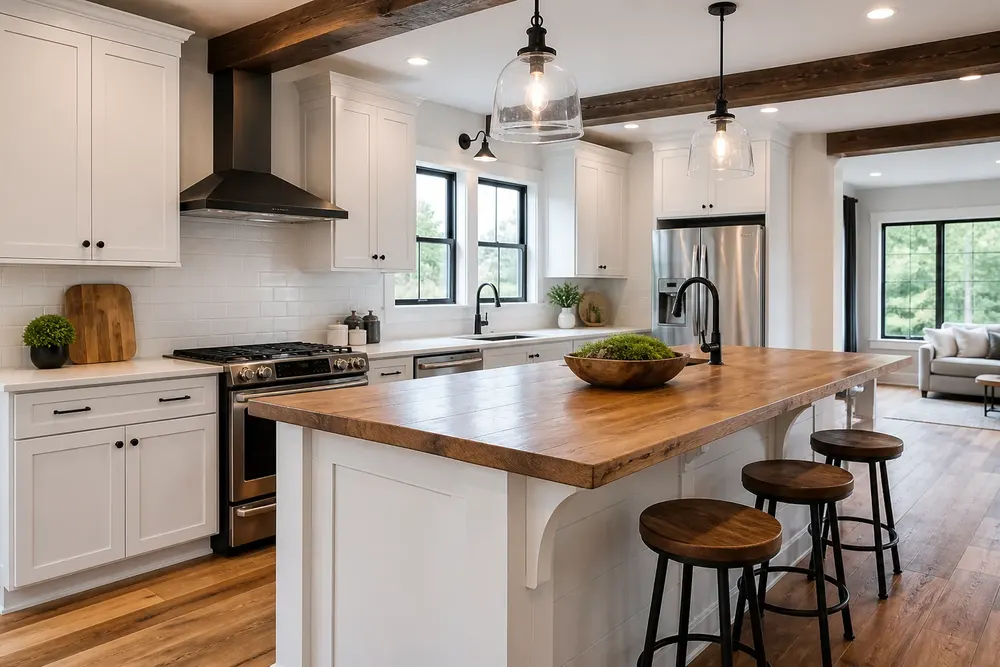
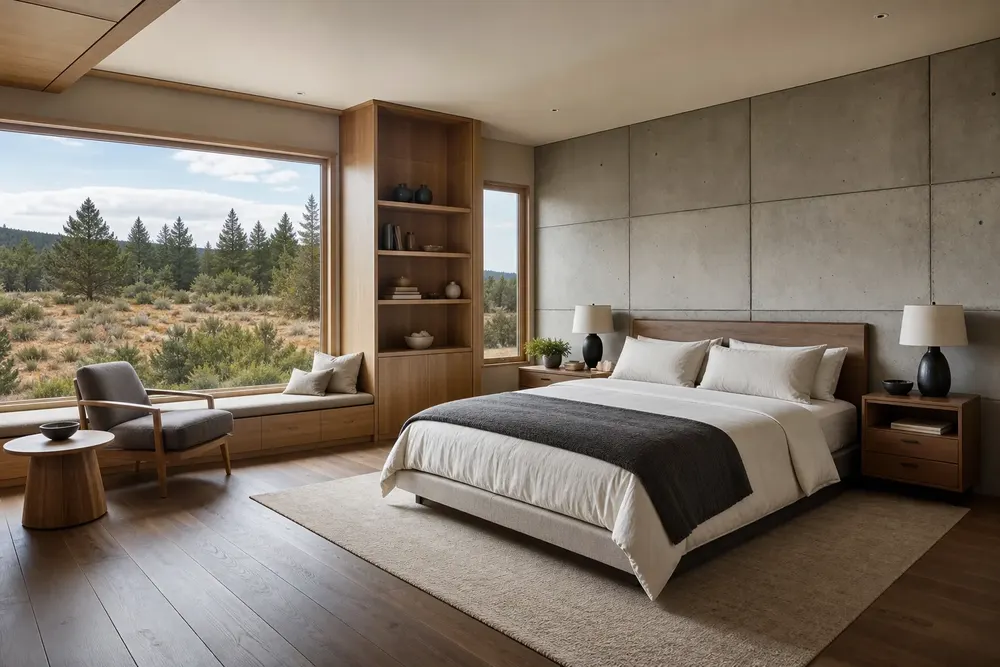
Smooth walls take paint, plaster or tile. Inside it is quiet, warm in a cold snap and cool in summer.
Where we are building
Oman · Morocco · Dubai · Qatar
China · Houston, Texas